
The Allure of the Casino Atmosphere
The casino environment is expertly designed to captivate and engage visitors. Bright lights, vibrant sounds, and an overall sense of excitement create an intoxicating atmosphere that draws people in. For those exploring the thrill of gaming, checking out new casinos online can enhance the overall experience. This sensory stimulation plays a significant role in the psychology of gambling, as it enhances mood and encourages players to immerse themselves in the experience. The moment individuals step into a casino, they are enveloped in a world that seemingly promotes winning and entertainment, leaving behind their everyday concerns.
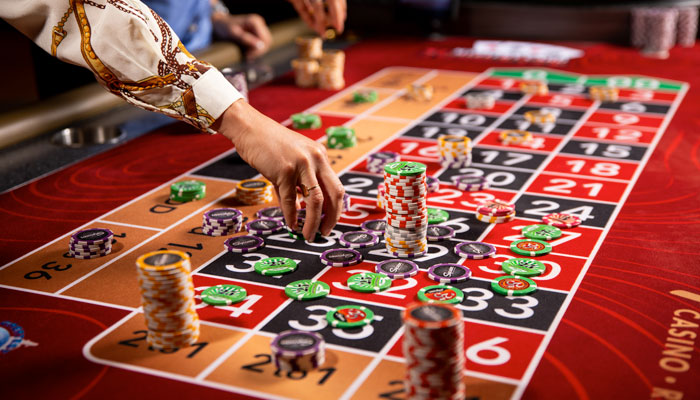
The strategic layout of casinos further manipulates psychology. Games are often placed to encourage movement throughout the space, leading players from one area to another without a clear exit. This design fosters a sense of comfort and familiarity, reinforcing the idea that winnings are just around the corner. The environment encourages prolonged stay and, subsequently, increased gambling, as individuals lose track of time and their monetary limits amidst the alluring chaos.
The Role of Cognitive Biases in Gambling
Cognitive biases significantly influence gambling behavior, contributing to why players often make irrational decisions. One prevalent bias is the illusion of control, where gamblers believe they can influence outcomes in games of chance, such as slot machines or roulette. This overestimation of personal influence leads to repeated play and can result in larger losses, fueled by the hope of a favorable outcome that feels just within reach.
Additionally, confirmation bias plays a crucial role in reinforcing gambling habits. Players tend to remember their wins and ignore their losses, creating a distorted view of their success. This selective memory can encourage continued participation, as individuals focus on the thrill of winning rather than the reality of their overall gambling experience. Understanding these cognitive biases helps explain the sometimes irrational behaviors observed in the casino setting.
The Emotional Rollercoaster of Gambling
Gambling elicits a wide range of emotions, contributing to its addictive nature. The highs of winning can be euphoric, providing a temporary escape from reality, while the lows of losing can lead to feelings of frustration and despair. This emotional rollercoaster is not just part of the thrill; it is a significant factor in why individuals return to casinos despite previous losses. The anticipation of a potential win induces excitement and hope, often overshadowing the risk of emotional distress associated with gambling.
Moreover, the role of social interaction in casinos cannot be overlooked. Players often share their experiences with others, creating a sense of camaraderie and shared excitement. This social aspect reinforces positive feelings associated with gambling and can lead to increased participation. In essence, the emotional highs and lows, coupled with social dynamics, create a powerful incentive for individuals to engage repeatedly in the gambling experience.
The Impact of Rewards and Incentives
The reward system in casinos is meticulously crafted to encourage ongoing participation. Many establishments implement loyalty programs, offering players incentives such as cashback, free play, or complimentary meals. These rewards create a sense of appreciation and belonging among gamblers, further motivating them to continue playing. The prospect of earning rewards can alter players’ perceptions of value, encouraging them to gamble more than they initially intended.
Furthermore, the frequency and immediacy of rewards play a substantial role in reinforcing gambling behavior. Instant gratification, such as receiving small wins or bonuses, reinforces the cycle of gambling, making players feel positively about their choices. This quick feedback loop is central to the psychology of gambling, as it keeps individuals engaged and hopeful for larger payouts in the future.
Creating a Supportive Environment for Gamblers
Understanding the psychology of gambling in a casino environment can help inform efforts to create supportive frameworks for those who may struggle with gambling addiction. By recognizing the triggers within the casino atmosphere—such as sensory overload, cognitive biases, and emotional highs—interventions can be developed to assist individuals in making informed choices. Educational programs and support resources can be vital in helping gamblers understand the risks associated with their behavior.
Furthermore, websites dedicated to providing information about gambling can play an essential role in this supportive environment. By offering resources on responsible gaming, tips for setting limits, and information on recognizing problem gambling behaviors, these platforms empower individuals to take control of their gambling experiences. Raising awareness and fostering a healthier approach to gambling can significantly benefit both the individual and the community at large.
