
The hidden psychology behind gambling behavior
The Thrill of Uncertainty
Gambling inherently involves risk, creating a thrill that captivates many individuals. This excitement arises from the unpredictability of outcomes, where players experience a rush of adrenaline with every bet placed. The anticipation of winning taps into the human desire for reward, making gambling not just a financial pursuit but also an emotional journey. Many players find themselves drawn to platforms like lizaro casino where the variety of games further enhances this experience, ensuring an exciting start. This adrenaline rush can lead to a state of euphoria, reinforcing the behavior and encouraging further participation.
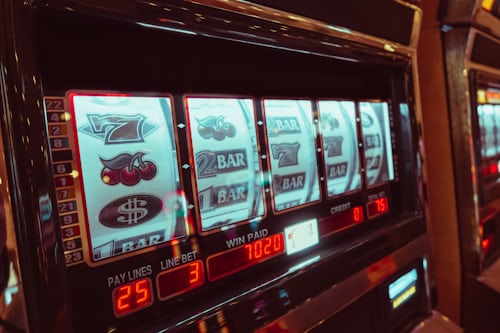
The uncertainty surrounding gambling outcomes plays a significant role in maintaining engagement. This psychological phenomenon is often referred to as «variable reinforcement,» where players are rewarded intermittently, heightening their interest. The dopamine release in the brain when a player wins reinforces their gambling behavior, creating a cycle that is difficult to break. This relationship between uncertainty and reward is a central factor in understanding why people continue to gamble, despite potential negative consequences.
Moreover, the thrill of gambling can also manifest in social settings. Casinos and online platforms create environments that amplify excitement, making the experience feel communal. Whether it’s cheering for a friend at a slot machine or engaging in a live dealer game, the social aspect enhances the emotional high associated with winning. This social reinforcement can deepen the psychological connection to gambling, making it a more compelling activity for many individuals.
Illusions of Control
Many gamblers hold a belief that they can influence outcomes, a phenomenon known as the illusion of control. This cognitive bias leads individuals to think that their skills or actions can impact the results of games that are largely based on chance. For example, a player may believe that their choice of numbers in a lottery or strategy in poker can improve their chances of winning. This perception provides a sense of empowerment, making the gambling experience more enjoyable and engaging.
The illusion of control can be particularly potent in environments where skill-based games are present. In games like poker, players may feel they have an advantage due to their understanding of strategy and psychology. This false sense of agency can motivate individuals to gamble more frequently, as they are convinced that their skills will lead to success. Consequently, this cognitive bias can obscure the reality that gambling outcomes are primarily dictated by chance.
In addition, the illusion of control often leads to irrational behavior, such as chasing losses. When gamblers face setbacks, they may double down on their bets in an attempt to regain their previous losses, further entrenching their belief in their ability to influence the game. This compulsion can result in detrimental financial consequences, highlighting the importance of understanding these psychological factors in addressing harmful gambling behaviors.
The Role of Cognitive Dissonance
Cognitive dissonance occurs when individuals experience mental discomfort due to conflicting beliefs or behaviors. In the context of gambling, this might manifest when a player acknowledges the risks involved but continues to gamble regardless. This inconsistency can lead to justifications for their actions, such as downplaying losses or exaggerating wins. By rationalizing their behavior, gamblers can alleviate the psychological tension that arises from their contradictory beliefs.
For instance, a gambler may convince themselves that they are simply playing for fun rather than for financial gain. This kind of reasoning allows them to engage in gambling without fully confronting the potential repercussions. Such justifications can perpetuate a cycle of gambling, as individuals ignore the underlying psychological factors driving their behavior. The longer they avoid confronting these feelings, the more entrenched their gambling habits can become.
Additionally, cognitive dissonance can lead to a skewed perception of gambling outcomes. Gamblers may selectively recall positive experiences while dismissing negative ones, reinforcing their belief that they can successfully manage their gambling behavior. This selective memory further complicates their relationship with gambling, making it crucial for players to recognize and address these cognitive biases to foster healthier habits.
The Impact of Environment and Design
The environment in which gambling takes place significantly affects behavior and decision-making. Casinos are meticulously designed to maximize engagement and spending, with bright lights, loud sounds, and no clocks to create a timeless atmosphere. These elements contribute to a heightened sense of excitement and reduce awareness of the passage of time, encouraging gamblers to stay longer and play more. This immersive experience can overshadow rational decision-making, leading to impulsive betting behavior.
Online gaming platforms further capitalize on these psychological principles by utilizing gamification techniques. Features such as leaderboards, rewards, and instant feedback enhance user engagement, making the gambling experience feel even more rewarding. These elements tap into the psychological principles of reward and competition, which can drive individuals to gamble more frequently, often without considering the potential consequences.
The design of gambling environments creates an emotional high that can override logical thinking. For many, the thrilling atmosphere serves to mask the risks associated with gambling, promoting a mindset focused on enjoyment rather than financial realities. Understanding the psychology behind these environmental factors can aid individuals in making informed choices about their gambling habits, allowing them to recognize when they might be falling into a trap of impulsive behavior.

Explore Responsible Gaming at Lizaro Casino
Lizaro Casino provides a unique online gaming experience tailored to players in New Zealand. With a vast selection of games, including slots, table games, and live dealer options, it caters to diverse preferences. The platform emphasizes responsible gaming, offering resources and tools to help players manage their gambling behavior effectively. By prioritizing player safety and well-being, Lizaro fosters a healthier gaming environment.
New members are welcomed with generous bonuses, including a 250% match on initial deposits and additional free spins, enhancing the excitement of starting their gaming journey. Lizaro Casino also values transparency, ensuring players are informed of the risks associated with gambling. The platform provides 24/7 support, empowering individuals to seek help and guidance whenever needed, further promoting responsible gambling practices.
In an industry often marked by potential pitfalls, Lizaro Casino stands out by integrating psychological insights into its operations. The focus on player safety, combined with a rich gaming experience, ensures that participants can enjoy their favorite games while maintaining a healthy relationship with gambling. Join Lizaro Casino today to experience a thrilling yet responsible gaming adventure.
